UX Designer
Luma AI
Product Design
AI Interaction Design
UX Research
IMPACT
Designed an AI-powered conversational system to simplify cancer symptom reporting, improving accessibility, engagement, and patient experience.
01
AI Conversations
02
Empathy Design
03
Voice Interaction
04
Smart Flows
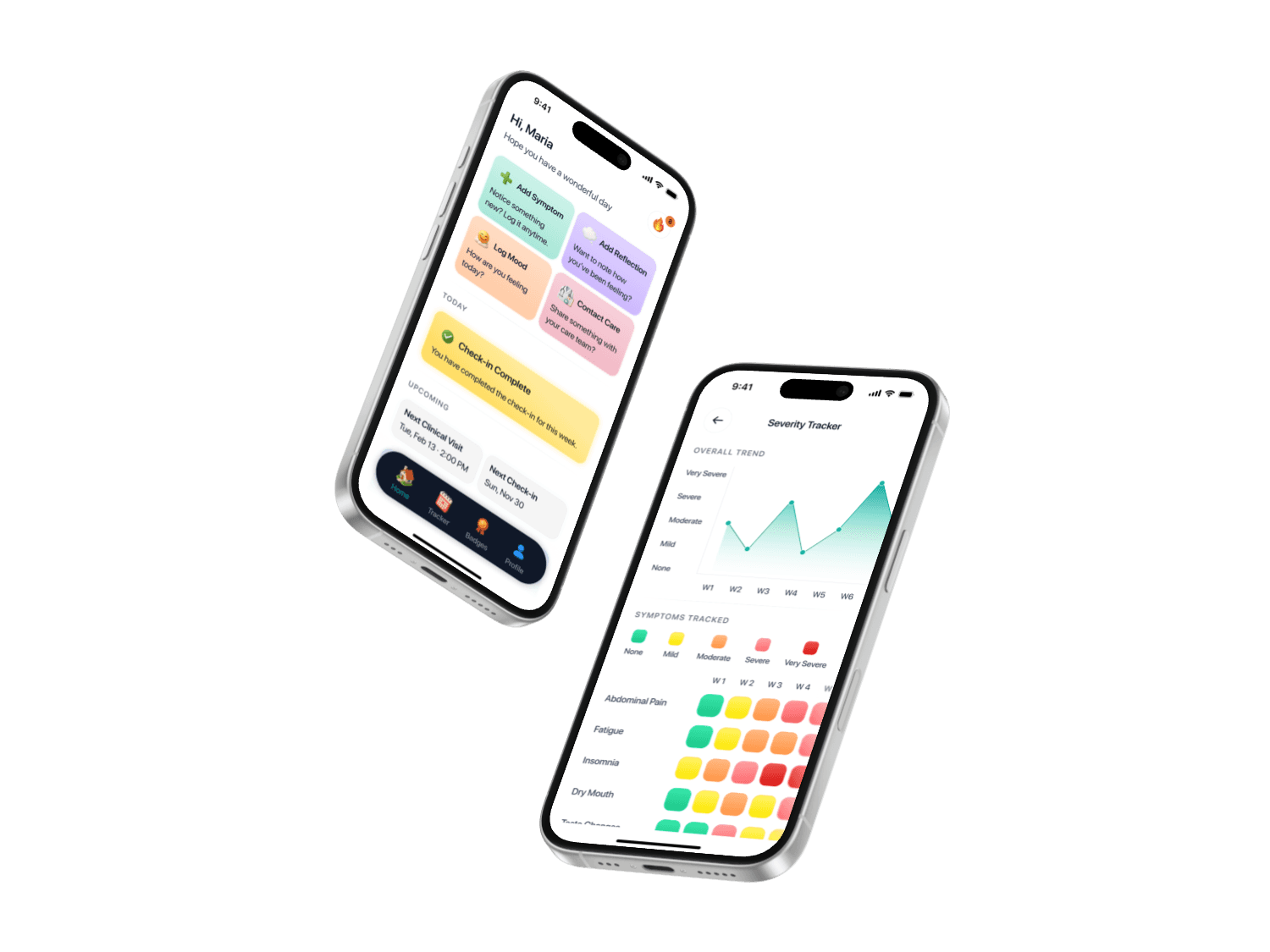
AI-driven care,
Designed for empathy.
TIMELINE
4 Months
ROLE
UX Researcher & UI Designer
TEAM SIZE
6 members
TOOLS
Figma
Notion
Slack
ChatGPT
AI prototyping tools
SUMMARY
Luma is an AI-powered conversational chatbot designed to simplify cancer symptom reporting for patients undergoing treatment. Traditional PRO-CTCAE forms are long, static, and cognitively taxing, often leading to incomplete or inaccurate reporting. Luma addresses these challenges by integrating AI to create adaptive, real-time interactions that guide patients through the reporting process with empathy and clarity.
The system uses dynamic question flows, contextual feedback, and voice-enabled input to reduce cognitive load, improve accessibility, and make the experience more supportive. By transforming a tedious medical task into a human-centered digital experience, Luma not only increases reporting accuracy but also helps clinicians receive timely, actionable data to improve patient care.
This project demonstrates how UX design and AI can converge to create intelligent, empathetic solutions that balance complex healthcare requirements with user needs, resulting in a measurable improvement in both patient experience and clinical outcomes.
PROBLEM STATEMENT
This project goes beyond traditional UX by integrating AI as a core interaction layer, not just a feature.
Lengthy Forms
The existing 80+ page form created fatigue, reducing completion rates and accuracy.
Cognitive & Emotional Load
Patients often felt overwhelmed, highlighting the need for a more adaptive and supportive system.
Static Interaction Model
Traditional systems lacked intelligence, they did not adapt to user input or personalize the experience.
DESIGN PROCESS
The ideation phase began with a structured brainstorming session with the team brainstormed and came up with 18 unique ideas that focused on addressing to the core concerns. These ideas were further shortlisted into three final design concepts to proceed with, based on the address to the core issues such as accessibility, emotional responses and medical requirements.
The finalized Core AI-driven concepts were -
Dynamic Filtering (AI-assisted)
Automatically adjusts symptom questions based on previous responses.Voice Interaction (AI-enabled)
Supports natural, hands-free input for accessibility.Empathy Loop (AI-supported)
Delivers context-aware, supportive responses to users.
DESIGN SOLUTION
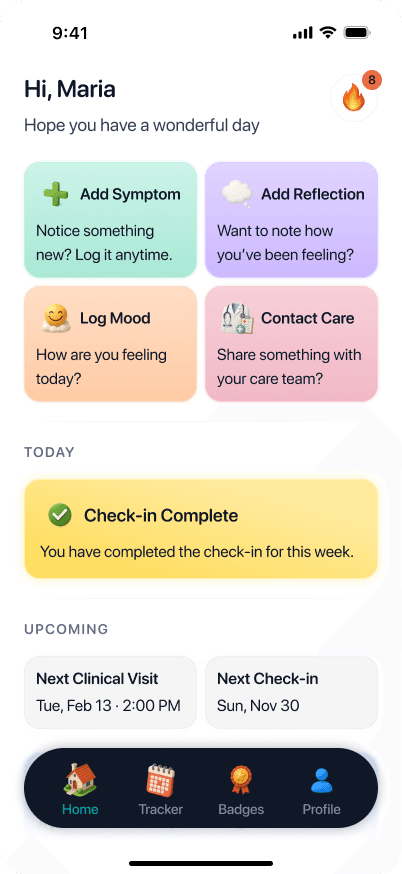
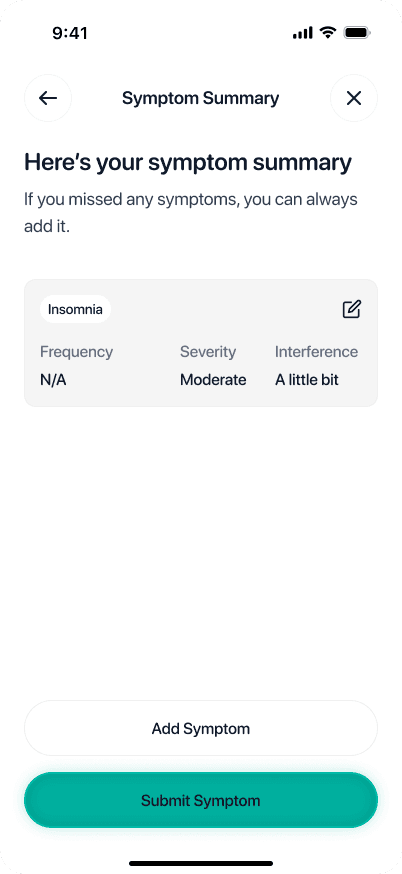
AI Conversational Interface & Adaptive Symptom Flow
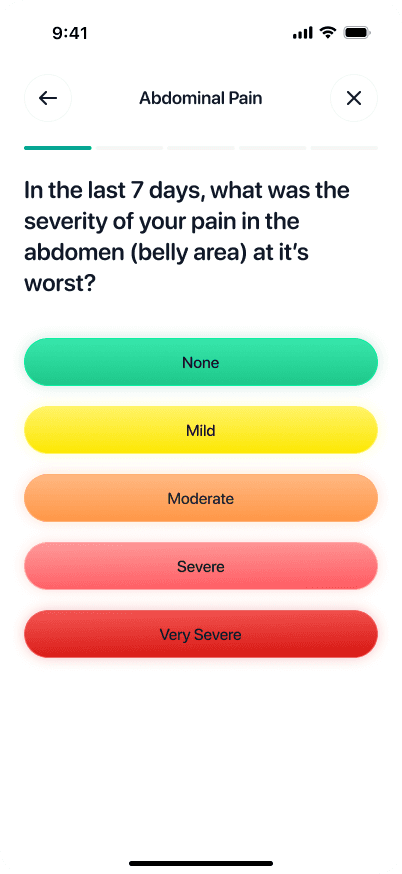
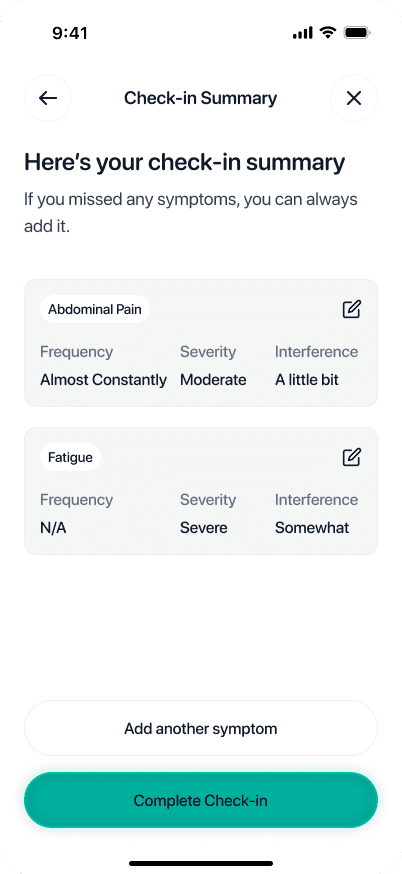
Replaces static forms with an interactive system that adapts to user input in real time. It dynamically adjusts questions, reducing unnecessary steps and improving efficiency.
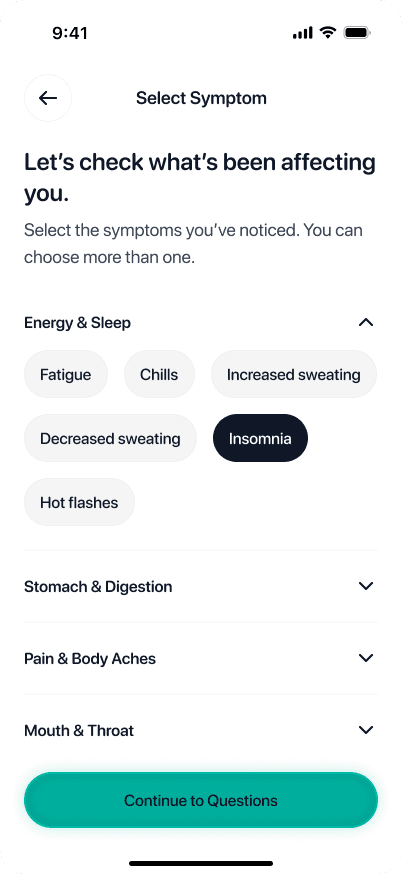
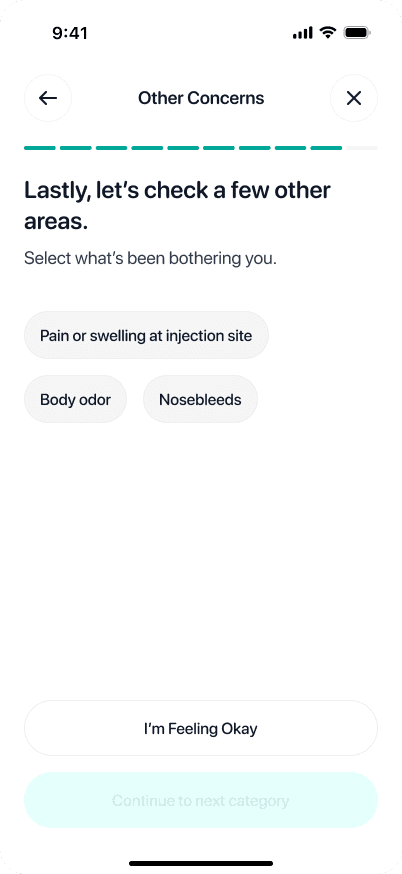
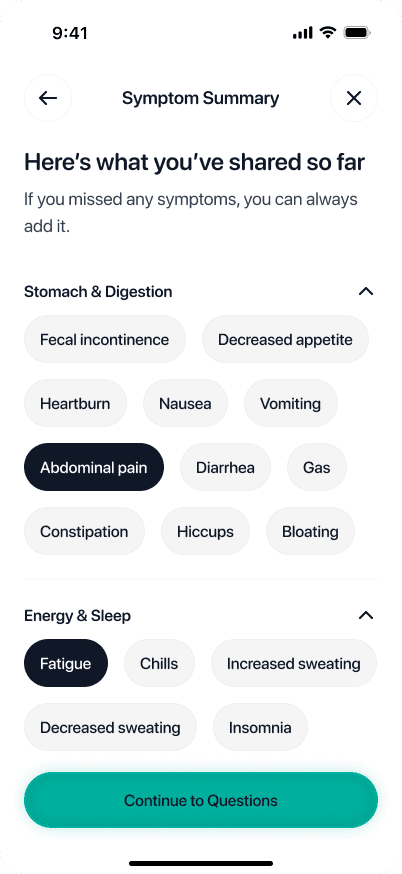
Symptom Categories & Guided Symptom Selection
The experience begins with clear, categorized entry points that reduce cognitive load and help users quickly navigate to relevant symptom groups. AI-assisted flows dynamically guide users through symptom selection, simplifying complex medical inputs into an intuitive, step-by-step interaction.
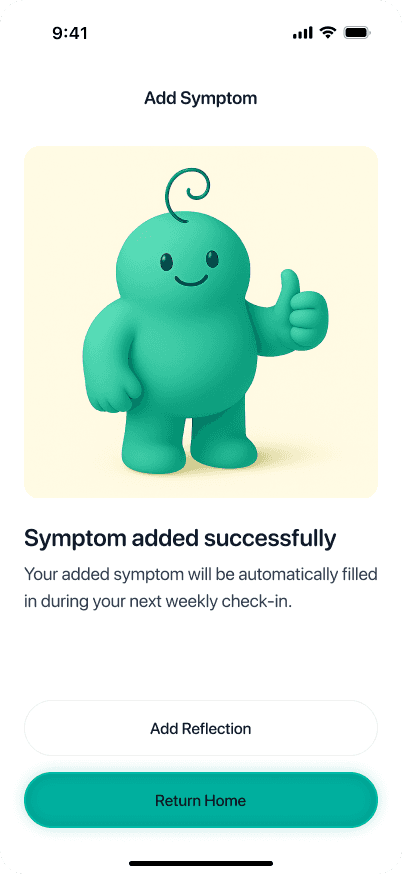
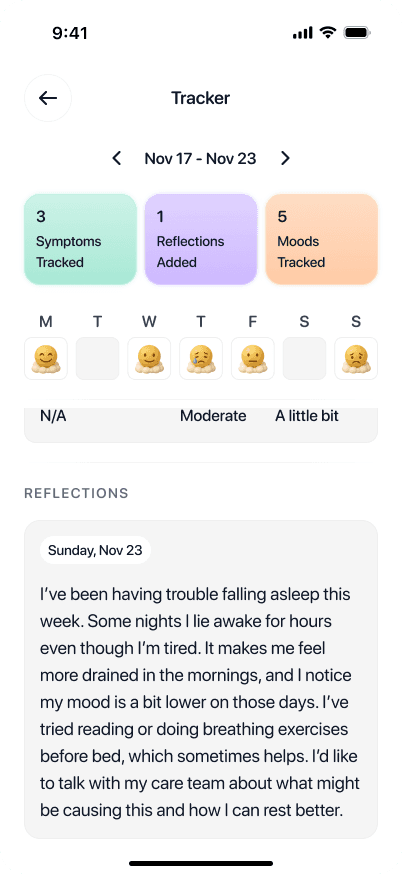
Add Reflections
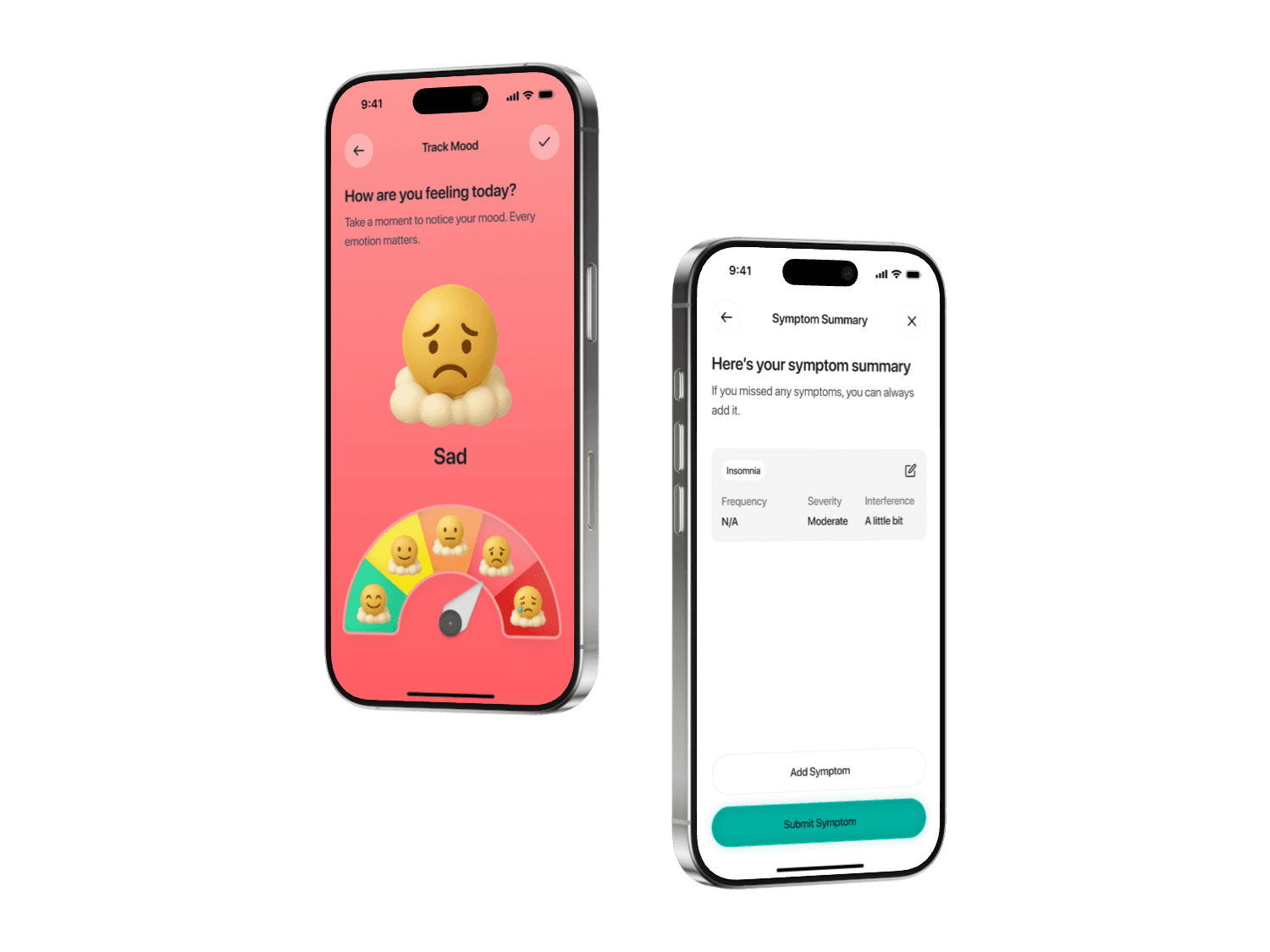
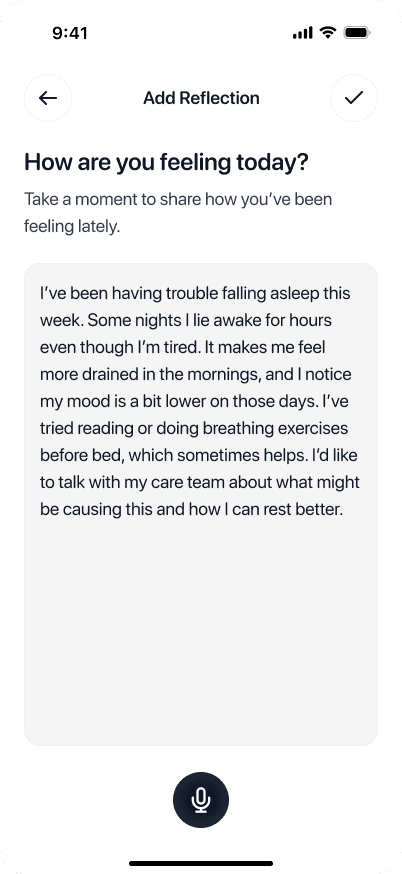
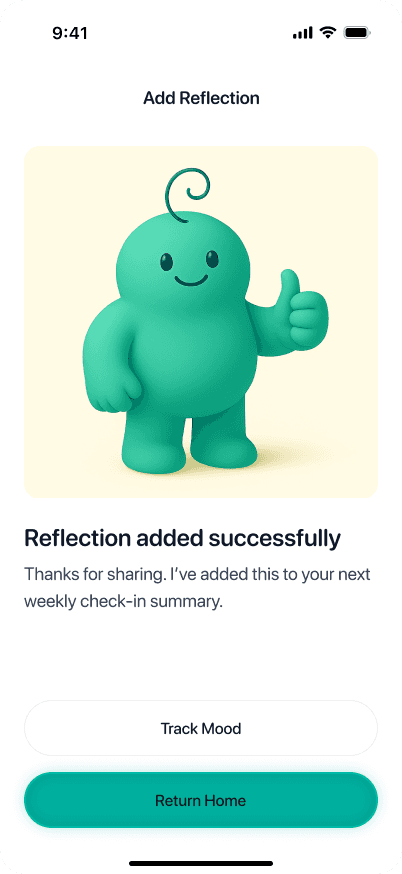
Patients can express their emotional state in their own words, adding a qualitative layer to clinical data and enabling more empathetic care.
Symptom Categories & Guided Symptom Selection
The experience begins with clear, categorized entry points that reduce cognitive load and help users quickly navigate to relevant symptom groups. AI-assisted flows dynamically guide users through symptom selection, simplifying complex medical inputs into an intuitive, step-by-step interaction.
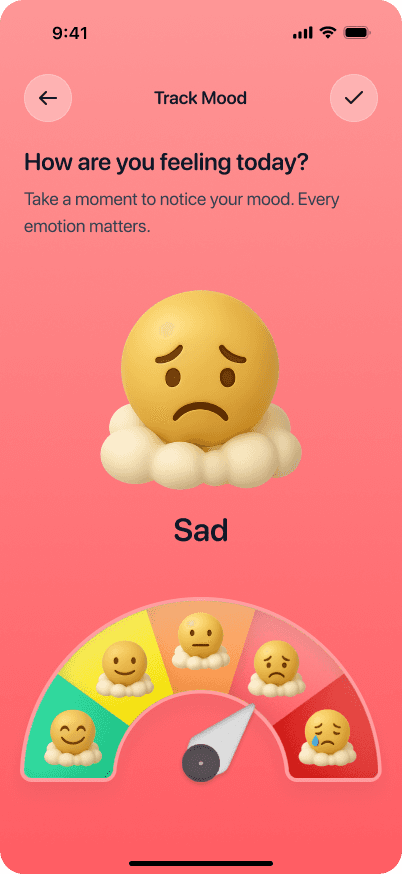
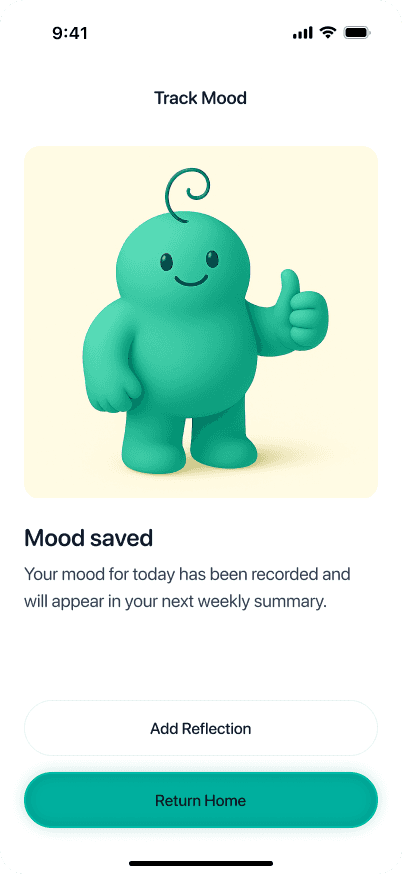
Mood Tracking
Integrated mood tracking captures emotional patterns over time, supporting self-awareness and providing deeper context for care teams.
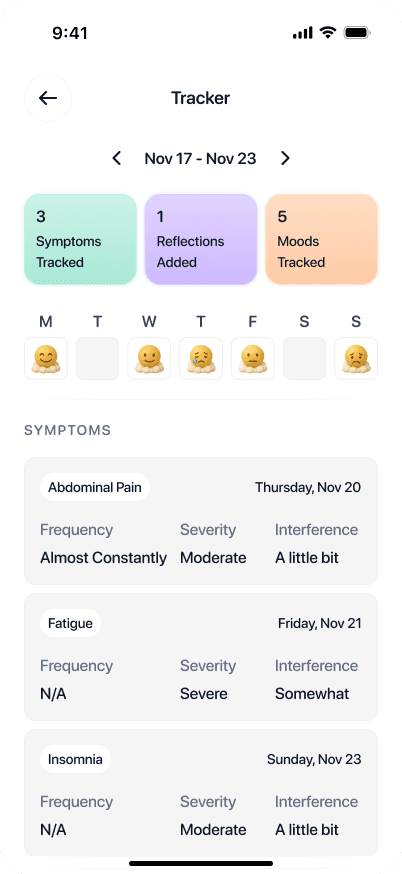
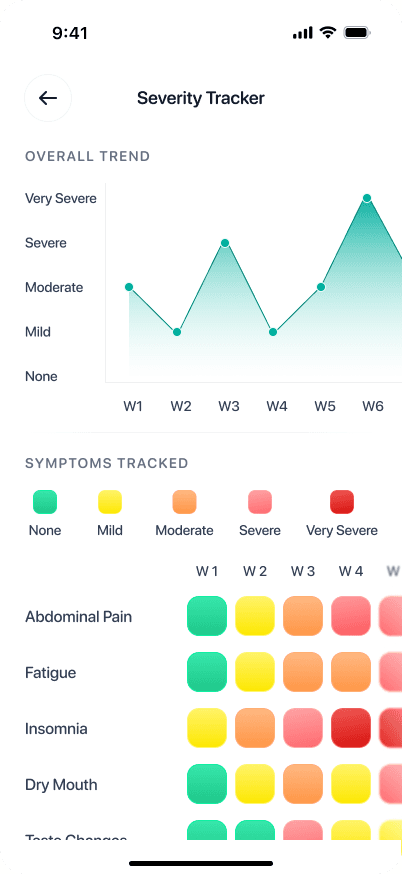
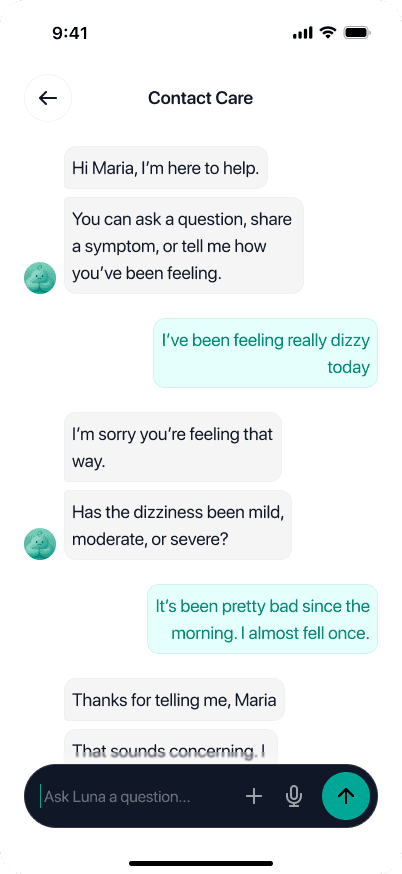
Personal Tracking & Contact Care
Users can view and track their symptoms, severity levels, and related data over time in one place, helping them identify patterns and better understand their condition. Luma acts as an intelligent support layer, helping users assess symptom severity and guiding them to seek medical attention when necessary.
RESULT AND IMPACT
Luma delivers an AI-driven, end-to-end symptom reporting experience that guides patients through a structured yet flexible journey, combining physical, emotional, and behavioral health into one unified